Lao PDR Reviews Implementation of National Ivory Action Plan to Strengthen CITES Compliance and Combat Wildlife Crime
Vientiane, 18 March 2026 (KPL) — The Department of Forestry under the Ministry of Agriculture and Environment convened a high-level review meeting to assess the implementation of the National Ivory Action Plan of the Lao People Democratic Republic for the period 2020 to 2025, reaffirming the Government commitment to strengthening compliance with the Convention on International Trade in Endangered Species of Wild Fauna and Flora and intensifying efforts to combat transnational wildlife crime.
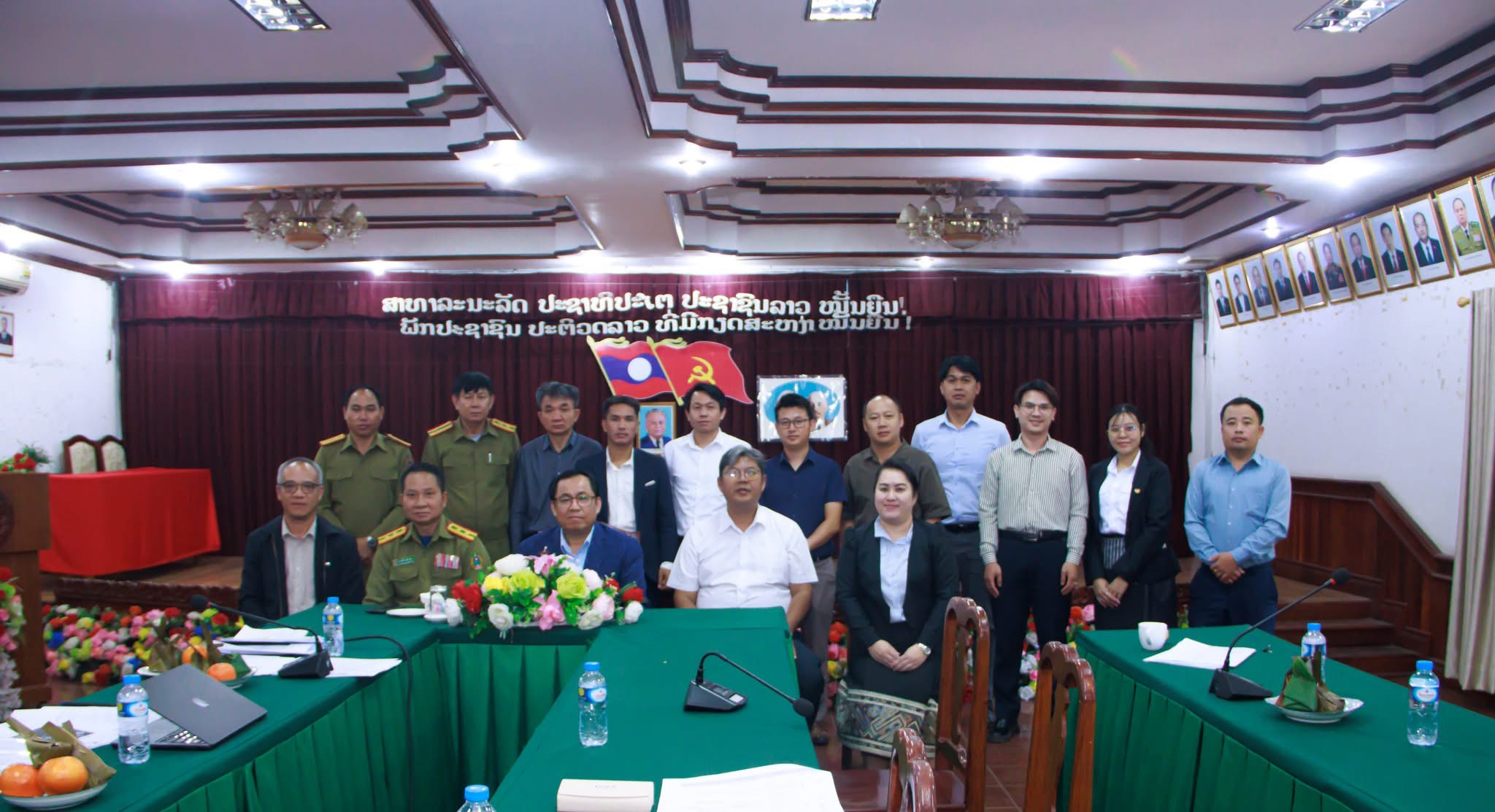
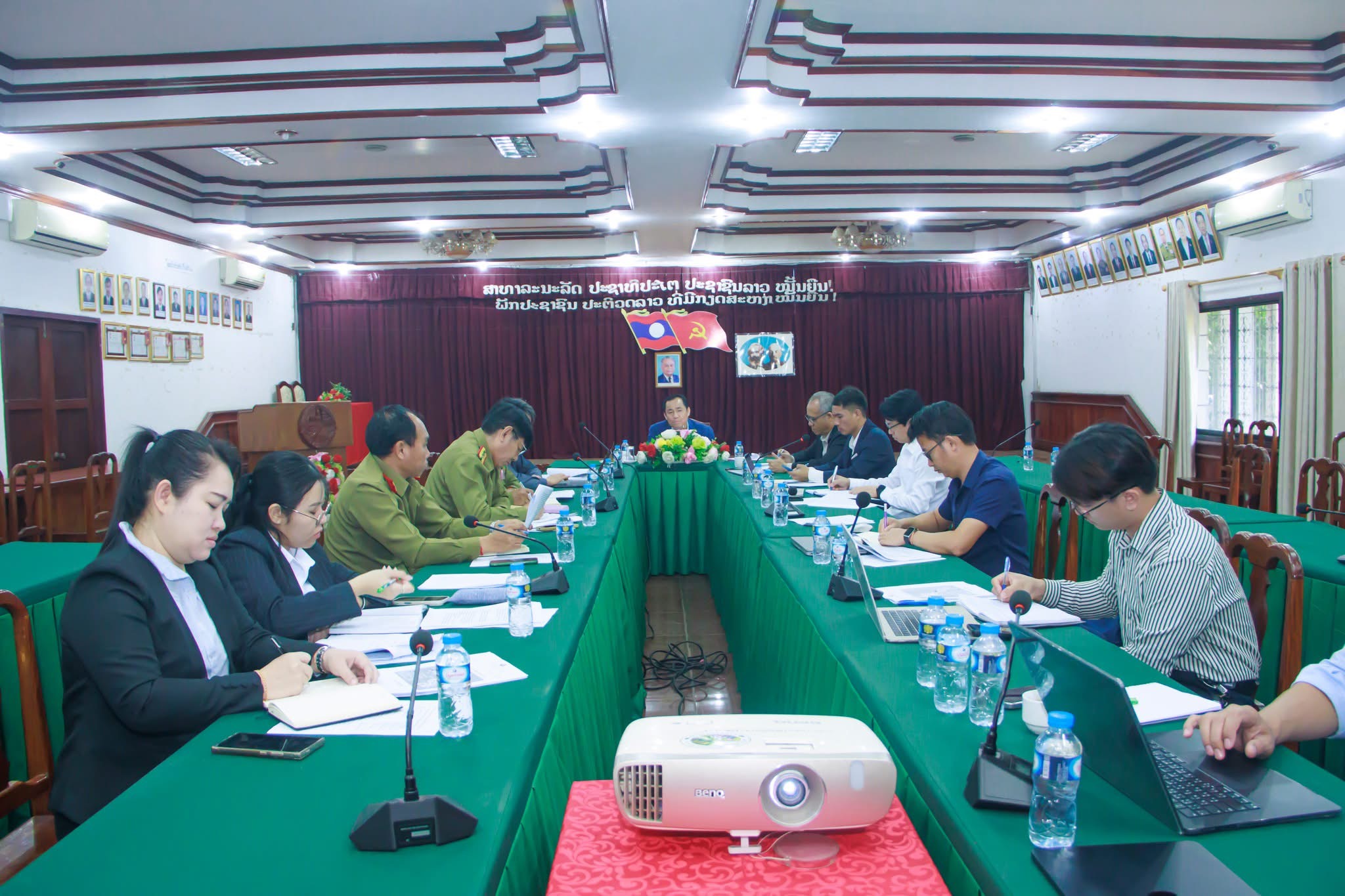
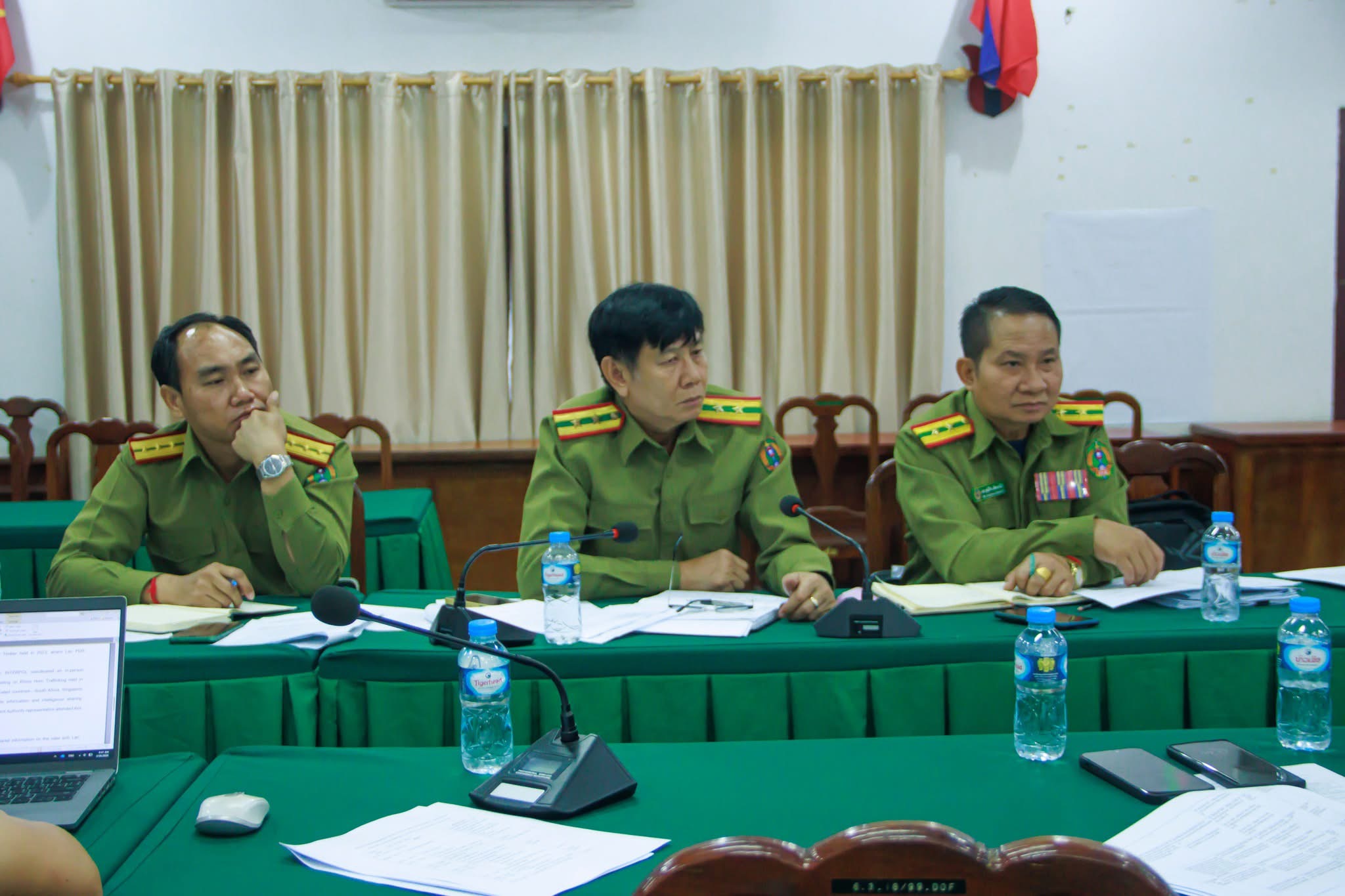
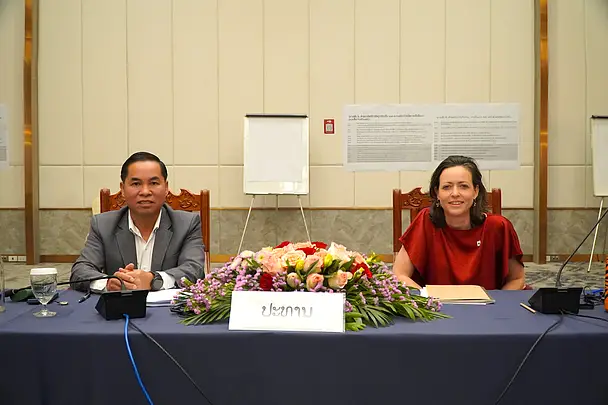
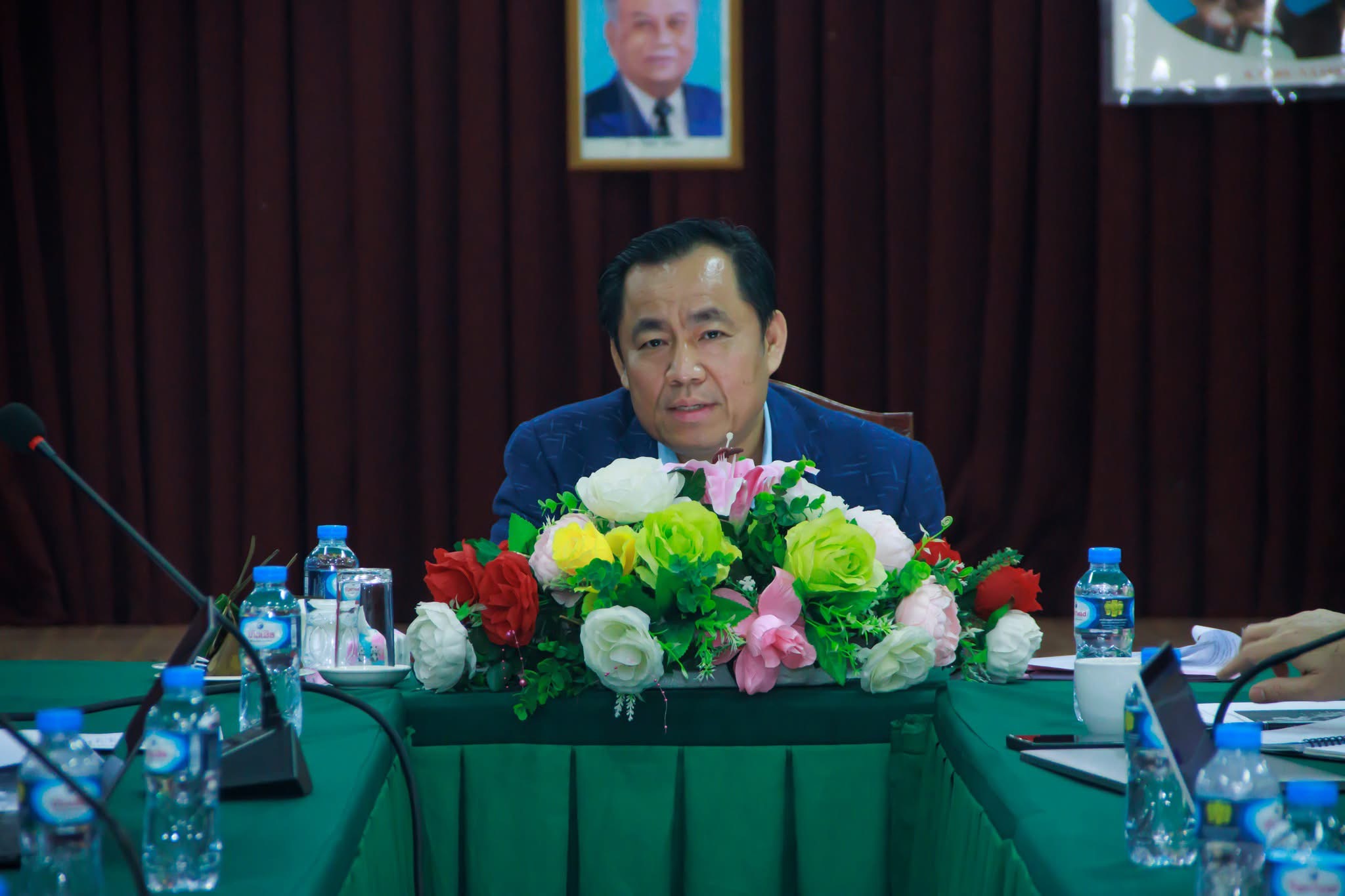
The meeting, held at the Department of Forestry in Vientiane Capital, was chaired by Assoc. Prof. Dr. Somvang Phimmavong, Director General of the Department of Forestry and Head of the CITES Management Authority of Lao PDR. Participants included representatives from the Department of Natural Resources and Environment Inspection, Customs Department, environmental police, relevant technical divisions, the National University of Laos, and international development partners.
The review meeting aimed to evaluate progress, identify challenges, and define priority actions to enhance the effectiveness of the National Ivory Action Plan as part of the broader implementation of the CITES Compliance Action Plan of Lao PDR.
Discussions focused on five key priority areas.
First, strengthening the legal and regulatory framework remains essential. Participants emphasized the need to further review and update relevant legislation, including the Law on Wildlife and Aquatic Animals and the Forestry Law, as well as relevant Prime Minister decisions and orders, to ensure alignment with international standards and to impose stronger penalties for wildlife crime, particularly offences related to illegal ivory trade.
Second, enhancing law enforcement and inter-agency coordination was identified as a decisive factor. The meeting highlighted the importance of strengthening cooperation among inspection authorities, customs, police, and wildlife enforcement units to effectively detect, investigate, and prosecute illegal ivory trafficking cases, including those linked to organized transnational networks.
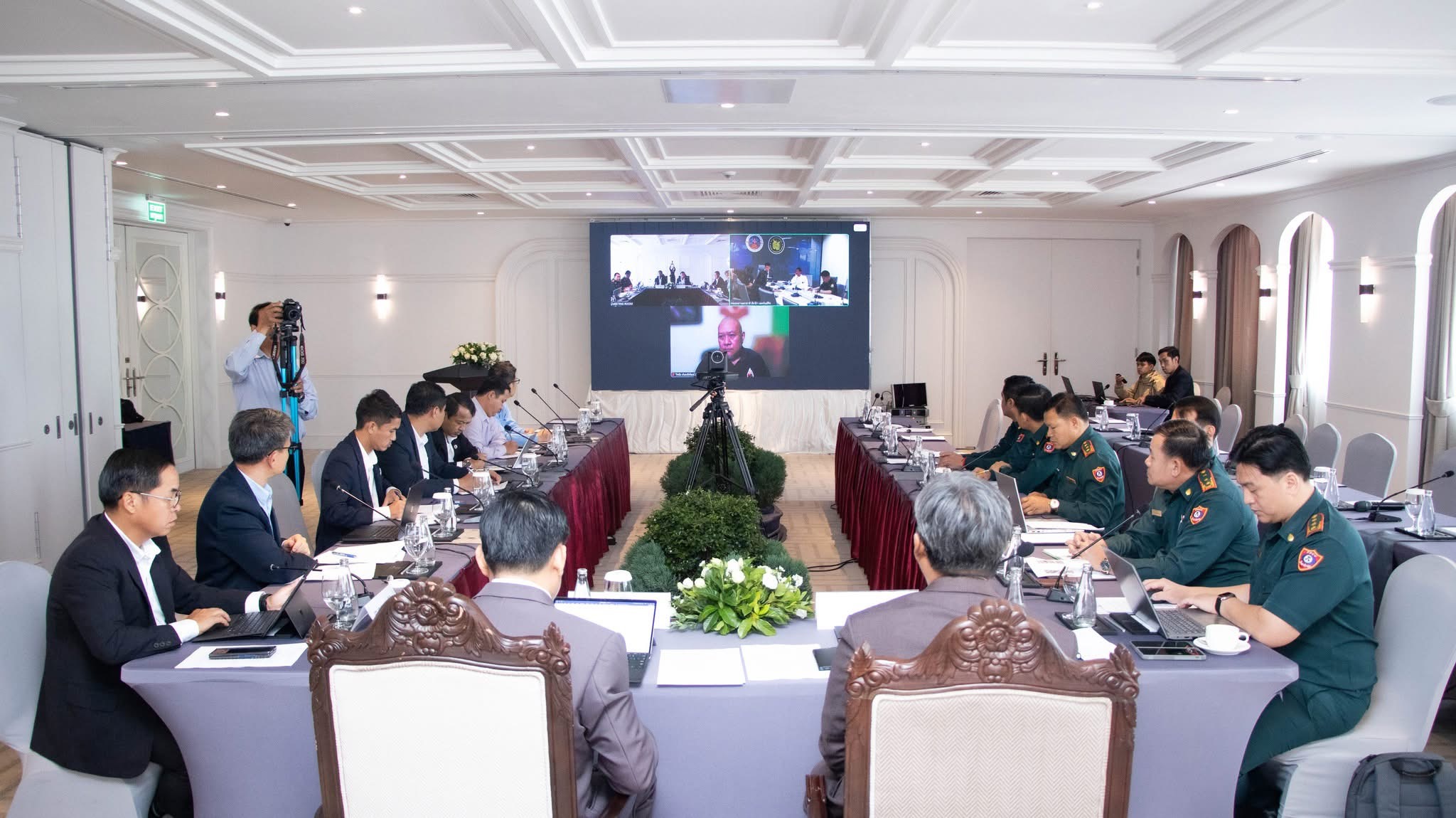
Third, strengthening international and regional cooperation was recognized as critical to addressing cross-border wildlife crime. Participants underscored the importance of improving information sharing, intelligence exchange, and joint operations with CITES Parties and regional partners, while further developing national databases and traceability systems for wildlife management.
Fourth, the meeting emphasized the need to strengthen awareness raising, public outreach, and education. This includes promoting understanding among the public, tourists, and business operators that ivory trade is illegal and contributes to biodiversity loss, while reinforcing national efforts to reduce demand for illegal wildlife products.
Fifth, improving the management, registration, and secure storage of confiscated ivory was highlighted as a priority measure to ensure transparency, prevent leakage back into illegal markets, and comply with international best practices.
The meeting also provided a platform for open and constructive exchange of experiences and lessons learned from implementation on the ground. Participants jointly identified forward-looking actions to enhance coordination, strengthen enforcement effectiveness, and ensure timely reporting under CITES mechanisms.
In his remarks, Dr. Somvang Phimmavong reaffirmed that the Government of Lao PDR remains fully committed to implementing the CITES Compliance Action Plan and to taking decisive measures against illegal wildlife trade, including ivory trafficking. He emphasized that strengthened governance, enhanced enforcement, and close cooperation with international partners are essential to achieving tangible results.
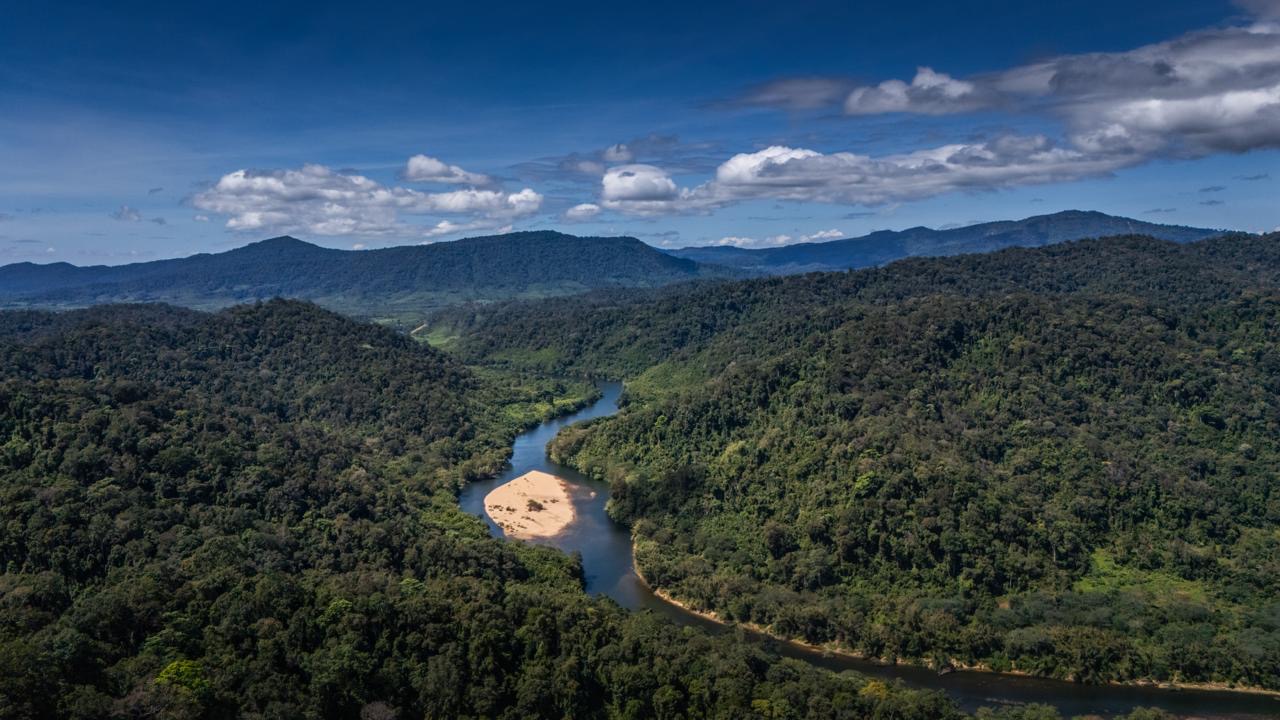
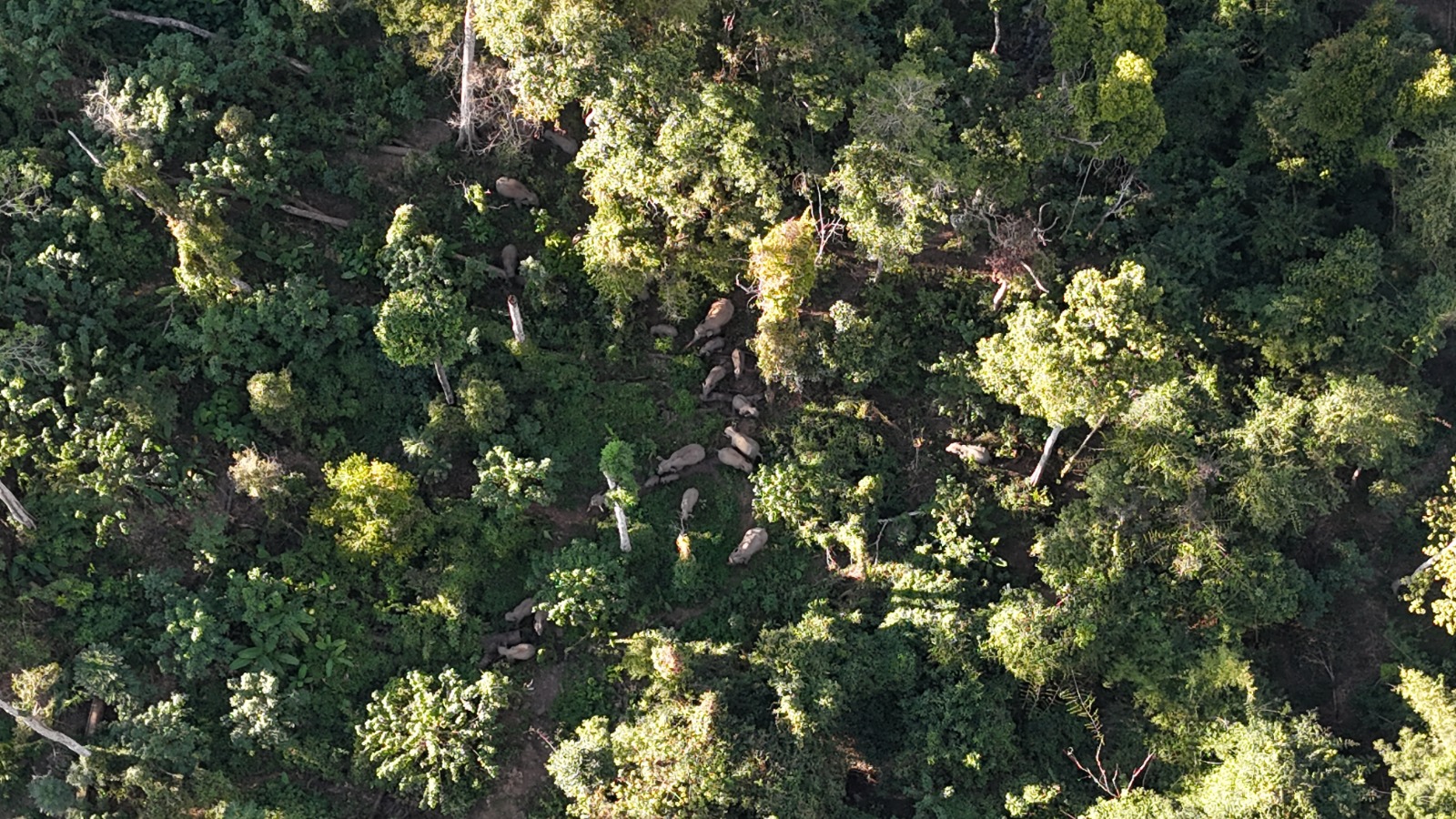
The outcomes of the meeting will contribute to the formulation of the next phase of the National Ivory Action Plan, ensuring continued progress toward protecting elephant populations and preserving the rich natural heritage of Lao PDR for future generations.