Lao PDR Strengthens CITES Compliance and Wildlife Crime Prevention Through National Tiger Recovery Action Plan 2026–2035
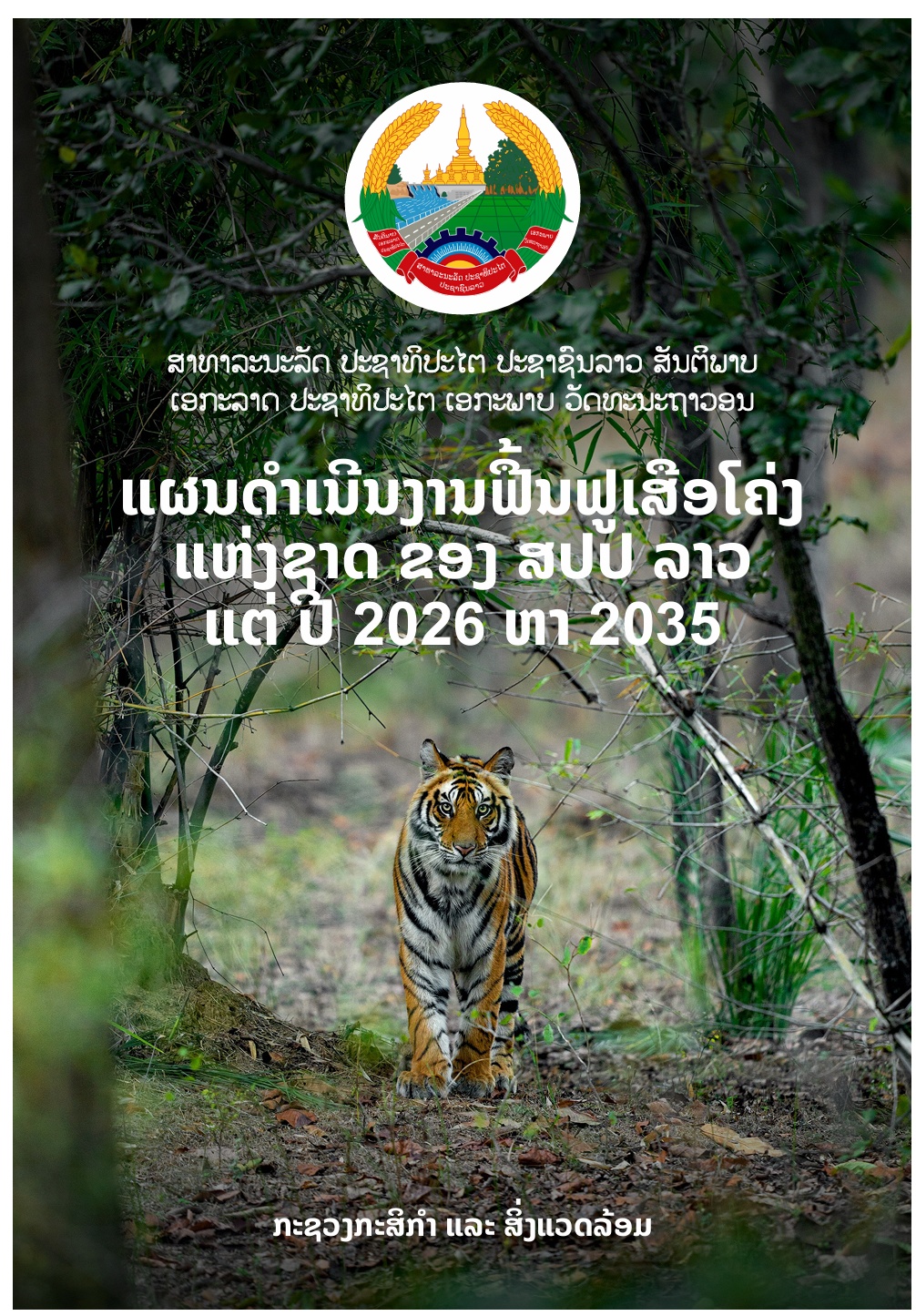
Vientiane, 6 January 2026 (KPL) — The Lao People Democratic Republic has taken a significant step toward fulfilling international wildlife protection commitments with the finalisation of the National Tiger Recovery Action Plan NTRAP 2026–2035, a comprehensive framework designed to restore wild tiger populations while strengthening enforcement against illegal wildlife trade.
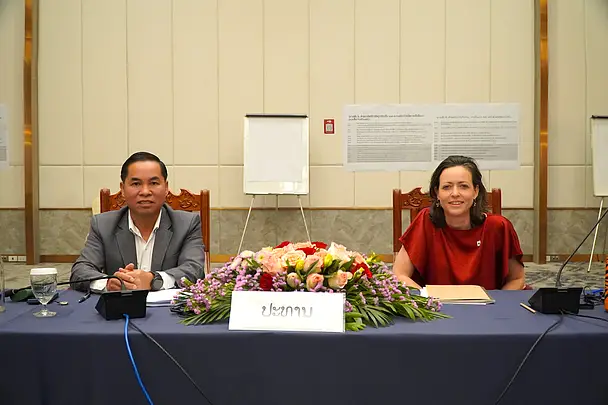
The final consultation meeting, held on 26 December 2025 in Vientiane Capital and organised by the Department of Forestry under the Ministry of Agriculture and Environment with support from WWF Laos, brought together provincial forestry authorities, wildlife and law enforcement agencies, conservation organisations, and key partners to endorse the consolidated Action Plan.
Addressing Wildlife Crime at Its Core
The Action Plan places strong emphasis on combating illegal wildlife trade, a persistent challenge that has contributed to the disappearance of wild tigers from forests in Lao PDR. No confirmed evidence of wild tigers has been recorded since 2013, when camera traps last captured a tiger in Nam Et-Phou Louey National Park.
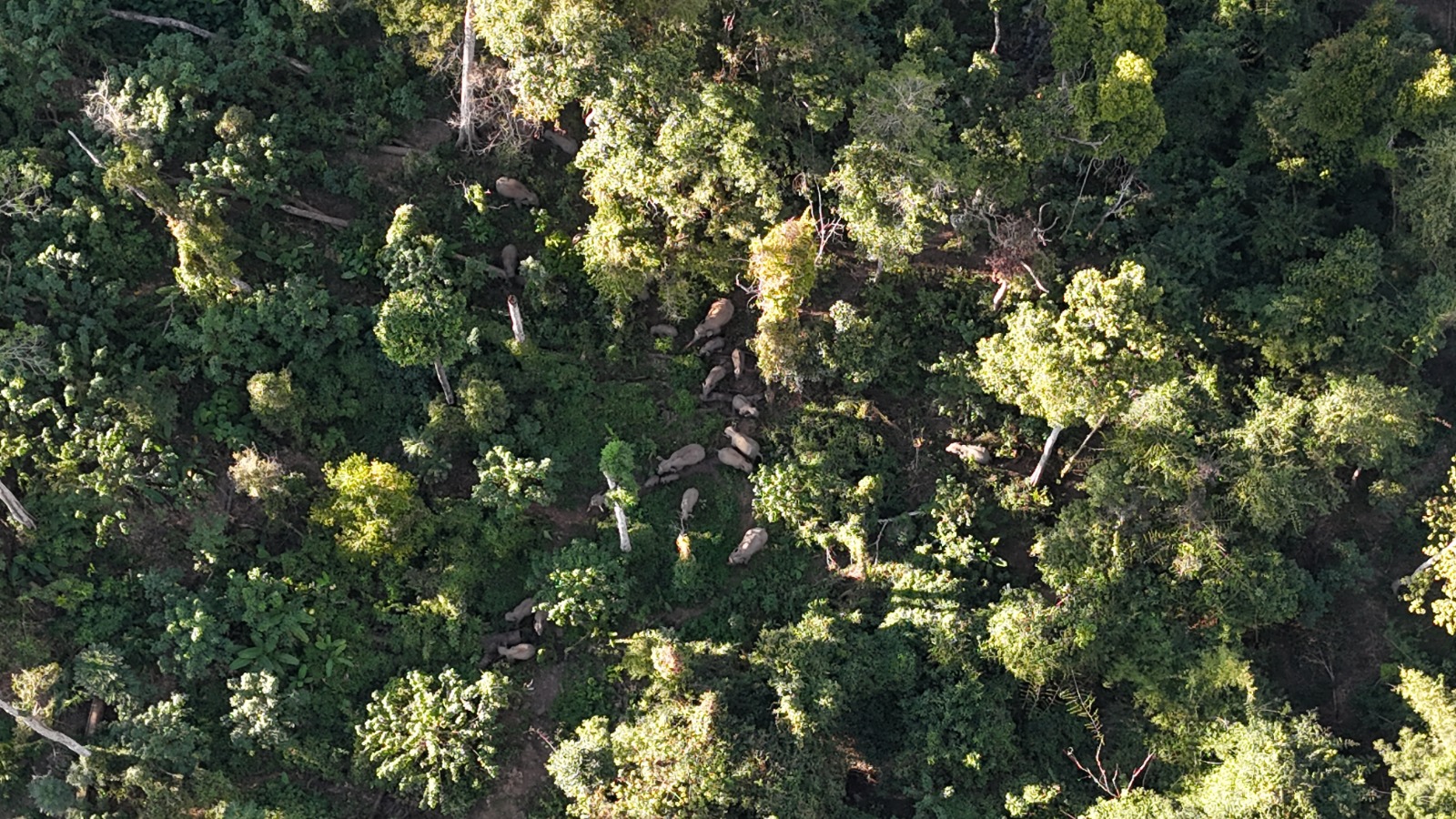
Snaring, driven largely by illegal wildlife trade, has been identified as one of the most immediate threats across potential tiger recovery sites. According to the report Silence of the Snare: Southeast Asia Snaring Crisis, millions of snares are estimated to be present in protected areas across Lao PDR, Cambodia, and Viet Nam. These indiscriminate traps impact more than 700 terrestrial species in the region, including critically endangered wildlife such as Asian elephant, tiger, saola, and banteng.
Heron Holloway, Country Director of WWF Laos, stated that snaring directly threatens tigers and also drives severe declines in prey species. He further noted that recovering tigers benefits more than a single species, as top predators play a vital role in maintaining healthy and balanced forest ecosystems and supporting biodiversity and ecosystem services that people depend on.
Advancing CITES Implementation
As a signatory to the Convention on International Trade in Endangered Species of Wild Fauna and Flora CITES and a recognised tiger range country, the commitment of Lao PDR to the Global Tiger Recovery Programme is reinforced through this Action Plan. The plan integrates inputs from previous consultations and technical discussions, aligning national efforts with international obligations to protect endangered species and regulate wildlife trade.
Assoc. Prof. Dr. Thoumthone Vongvisouk, Deputy Director General of the Department of Forestry, stated that the Government of Lao PDR recognises the importance of restoring wild tiger populations in the country in line with the Global Tiger Recovery Programme. He added that this effort will be pursued through priority tiger conservation landscapes, the national forest strategy, and the implementation of the National Biodiversity Strategy and Action Plan.
The Action Plan provides a long-term national framework to guide efforts toward tiger recovery in priority ecological landscapes across the country. With substantial areas of suitable habitat, Lao PDR holds strong potential to support tiger dispersal and contribute to regional and global recovery efforts.
Next Steps
The consolidated Action Plan will now proceed to ministerial-level endorsement ahead of formal approval by the Minister of Agriculture and Environment. Under the new five-year Strategic Plan of WWF Laos, tigers are identified as a priority species, with continued support for nationwide implementation of the NTRAP.
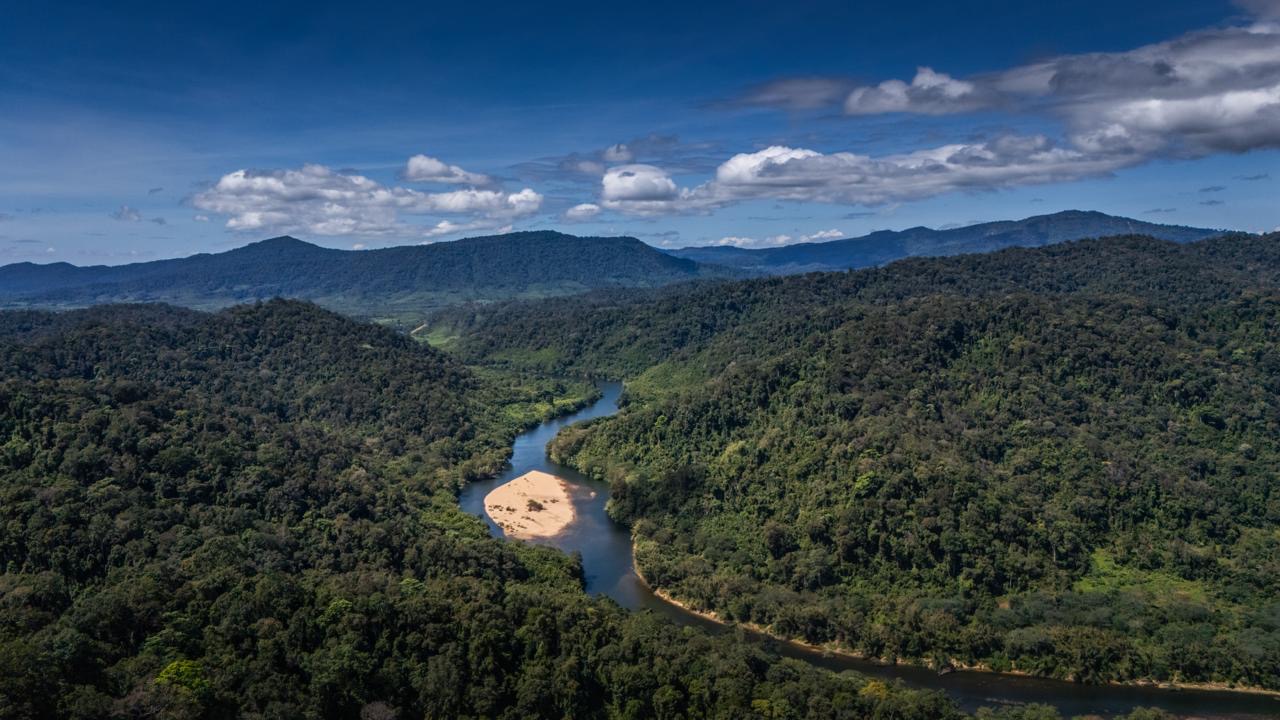
Priority landscapes include Nam Poui National Protected Area, recognised as one of the most promising sites for tiger recovery in Lao PDR.
Dr. Thoumthone Vongvisouk expressed strong confidence that implementation of the National Tiger Recovery Action Plan, together with other biodiversity and forest management plans and joint efforts with conservation partners and local communities, can enable tiger recovery in Lao PDR. He noted that this will position Lao PDR as a landscape where wild tigers can return.
Recent analysis estimates that around 5,700 tigers remain in the wild globally across tiger range countries. While Lao PDR is recognised as a tiger range country, the absence of confirmed scientific records since 2013 means it is not currently reflected in these population estimates. The new Action Plan aims to reverse this situation through coordinated, long-term conservation and strengthened law enforcement efforts.
Source: WWF Laos / Department of Forestry, Ministry of Agriculture and Environment